Consumers are no longer entering the category by simply recognizing a brand, seeing an advertisement, and deciding whether they like it. Increasingly, they begin with a specific skin concern, active ingredient, or expected outcome, and only then evaluate which brands can deliver the proof they are looking for.
This shift is changing what it takes for dermocosmetics brands to win.
Today, three challenges are becoming increasingly connected: being discovered at the right moment, building enough credibility to convert, and proving value without relying on constant discounting.
1. Your customers are no longer searching for your brand name
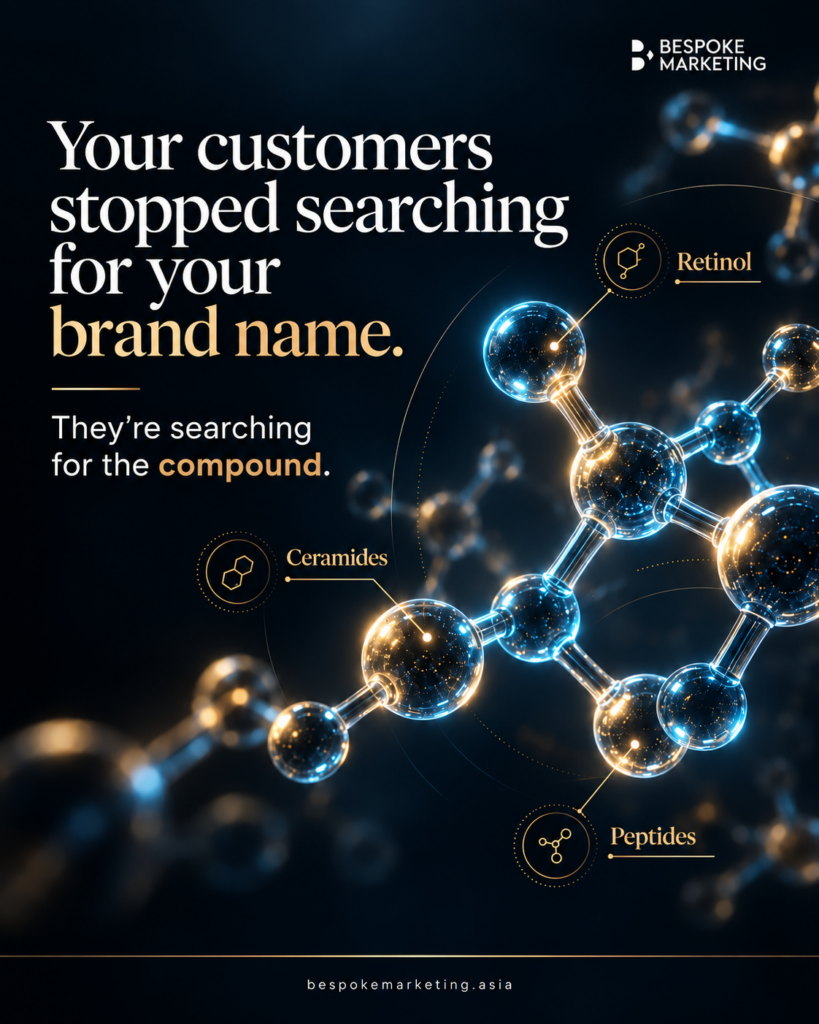
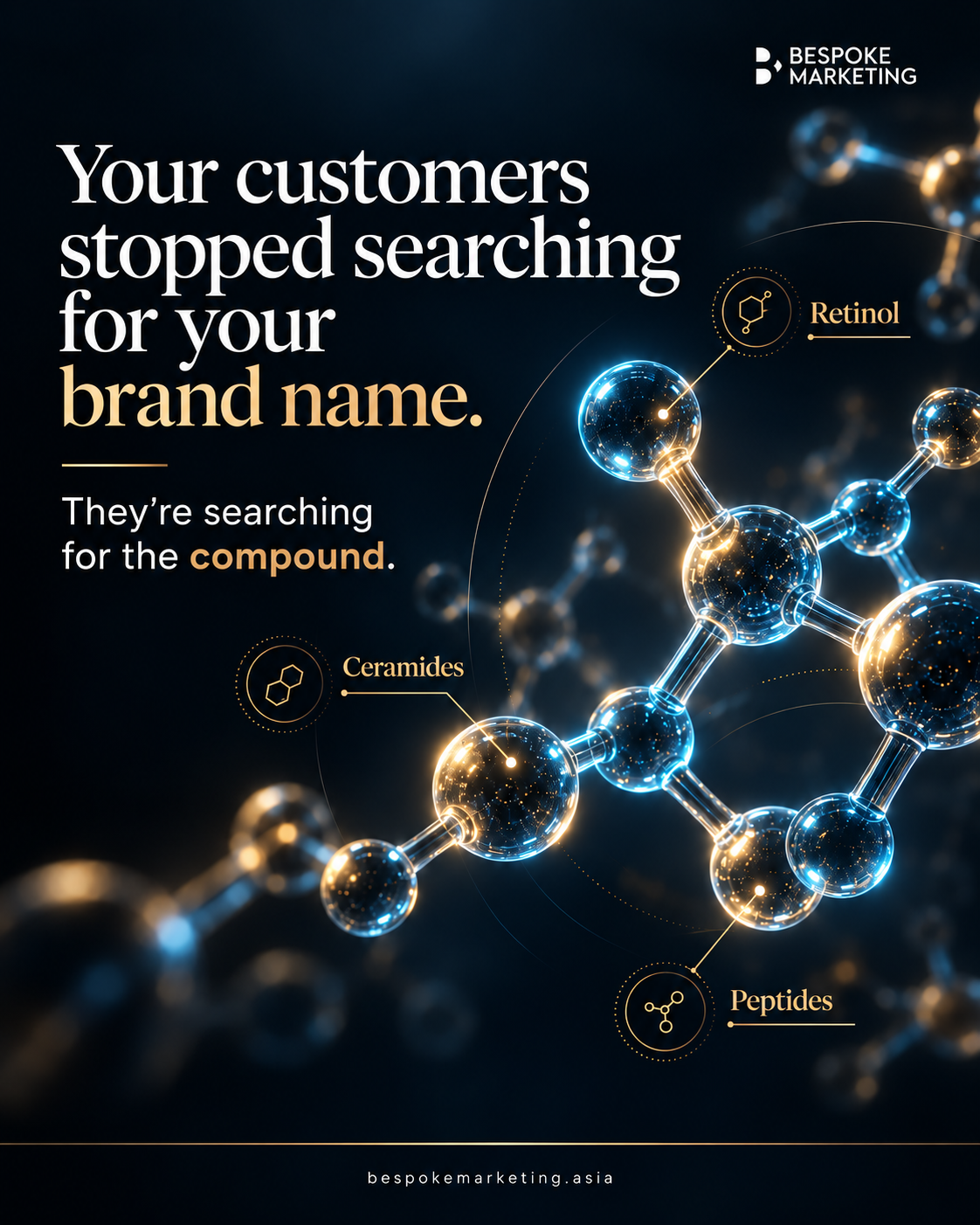
Your target customers are no longer searching only for brand names. They are searching for active compounds and solutions to specific skin concerns.
Research from BCG and McKinsey highlights a structural shift in the skincare landscape: modern consumers increasingly search directly for specific mechanisms such as encapsulated Retinol, barrier-repairing Ceramides, and Peptides before evaluating brand heritage.
In other words, consumers can enter the funnel with problem-solution intent before they have any brand preference.
A consumer looking for Retinol, for example, may encounter multiple brands only after they have already decided what type of ingredient or efficacy they are interested in. The brand is no longer necessarily the starting point of discovery but becomes part of the consumer’s evaluation process.
This creates a fundamental challenge for brands that concentrate media budgets primarily on brand-led keywords and high-level awareness.
If consumers are entering through the ingredient, brands need to be discoverable through the ingredient too.
Winning in this environment requires rebuilding search and content touchpoints around the specific concerns, active ingredients, mechanisms, and verified outcomes that consumers are actively looking for.
But discovery is only the first step.
Once consumers have identified a potential solution, the next question becomes:
Can I trust this product enough to put it on my skin?
2. Reach alone cannot solve the credibility gap
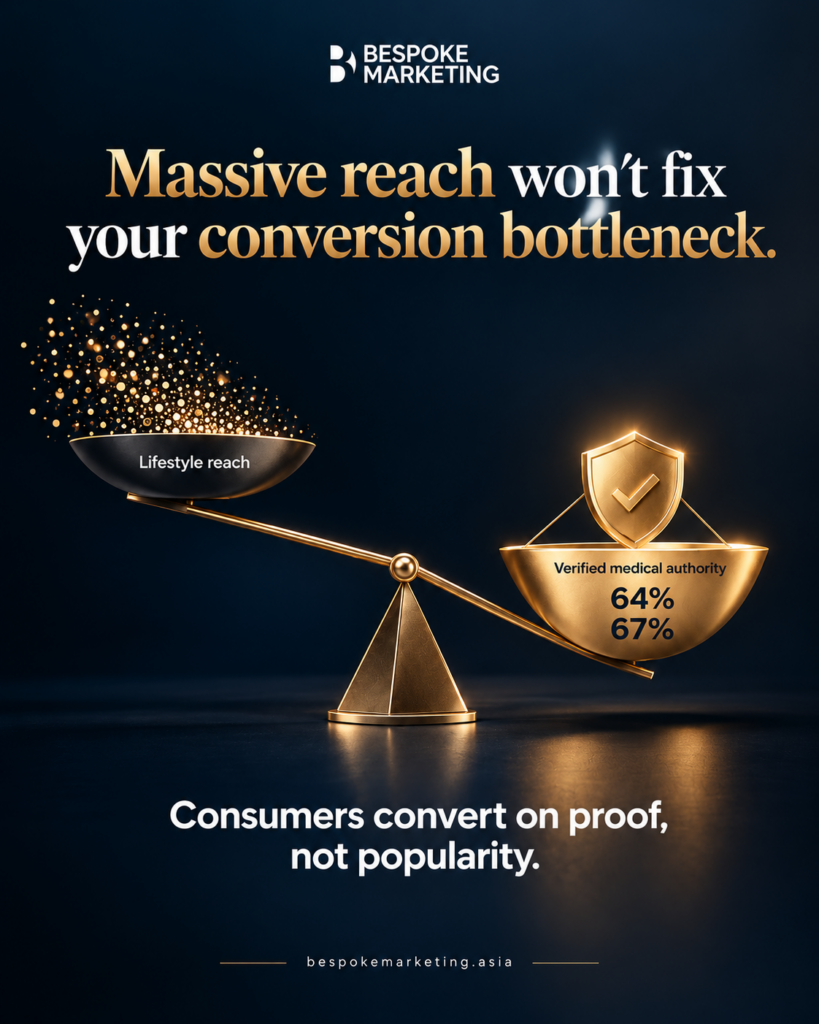
Chasing massive impression volume will not necessarily solve your conversion bottleneck.
Dermocosmetics is a category where visibility and credibility do not carry the same weight.
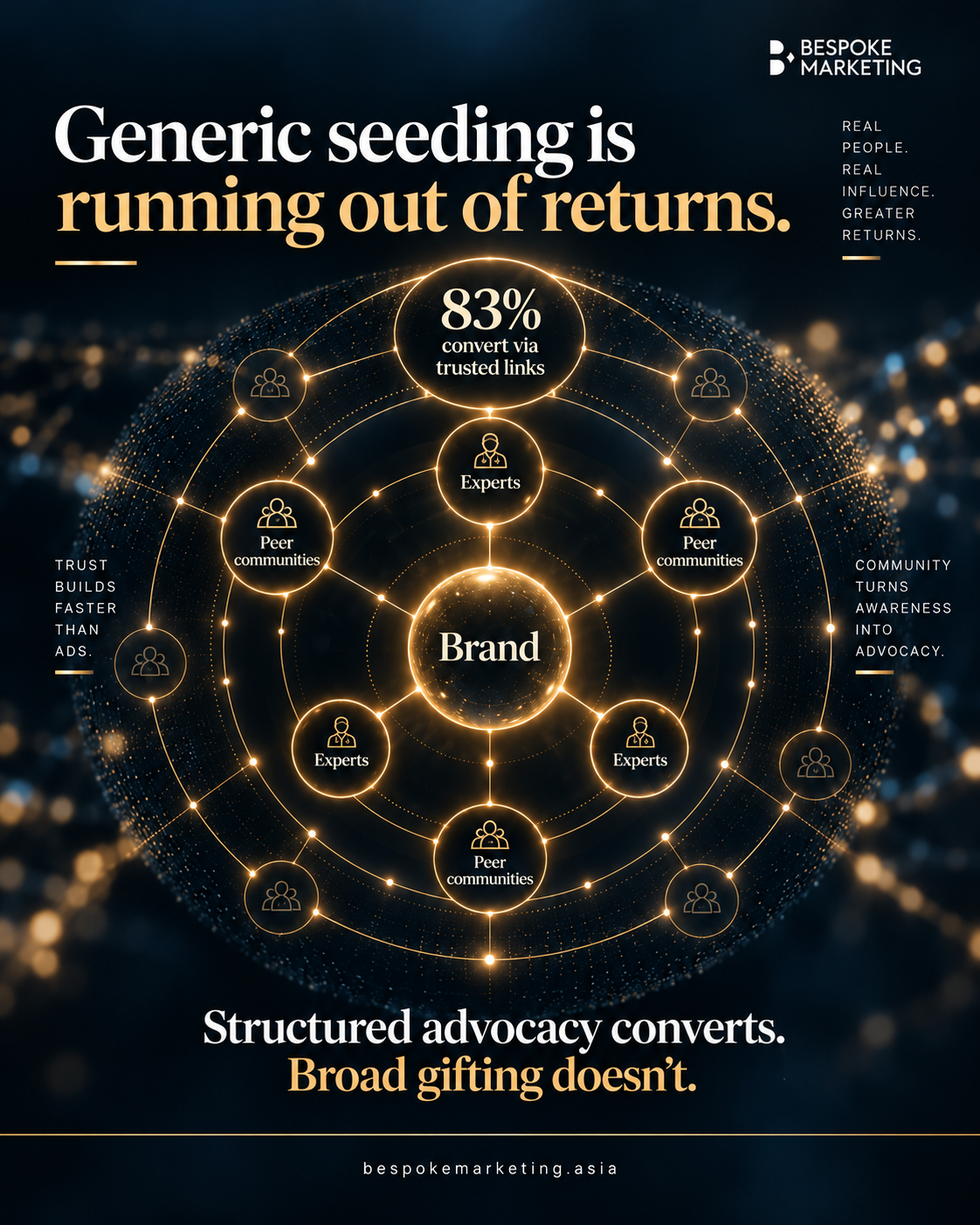
Lifestyle influencers can generate awareness and top-of-funnel buzz, but medical professionals and certified specialists play a critical role in validating high-efficacy beauty products.
Market data from TikTok Shop reinforces the importance of trusted authority. Official Shop Mall storefronts captured 64% of total beauty revenue and 67% of facial skincare revenue, indicating that consumers place significant value on verified and trusted sources when making purchase decisions.
The implication is straightforward:
Getting consumers to notice a product is different from getting them to trust it.
For high-intent consumers, a large number of impressions may create awareness, but they do not necessarily remove the final barrier to purchase. Consumers still want to know whether the product is clinically sound, whether its claims are credible, and whether the promised results can be trusted.
This is where many brands face a credibility gap.
Over-investing in generic creator reach without building authentic medical or clinical authority can increase visibility without resolving the hesitation that prevents conversion. The result can be higher acquisition costs without a proportional improvement in commercial performance.
The opportunity, therefore, is not to choose between reach and credibility.
It is to give each one a distinct role in the consumer journey: mass visibility to create awareness, and verified authority to provide the proof that moves consumers toward purchase.
Yet even when consumers discover a product and trust its efficacy, another question remains:
Is it worth the price?
3. Consumers are moving from cheap prices to trusted value
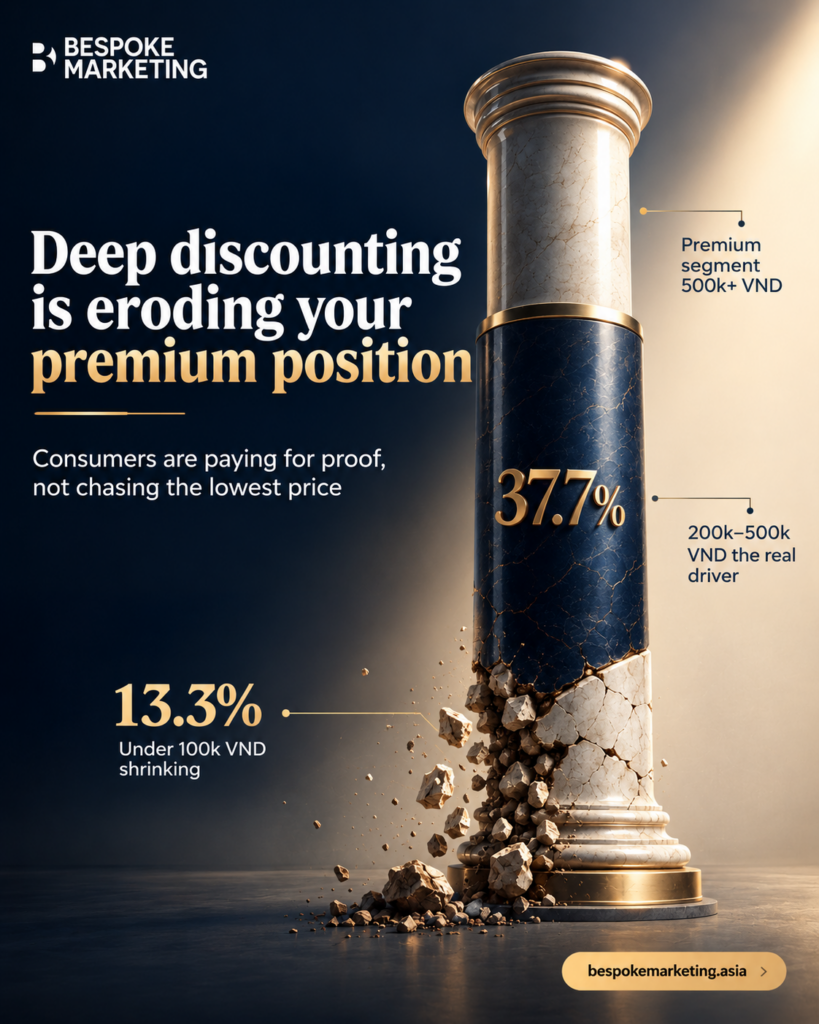
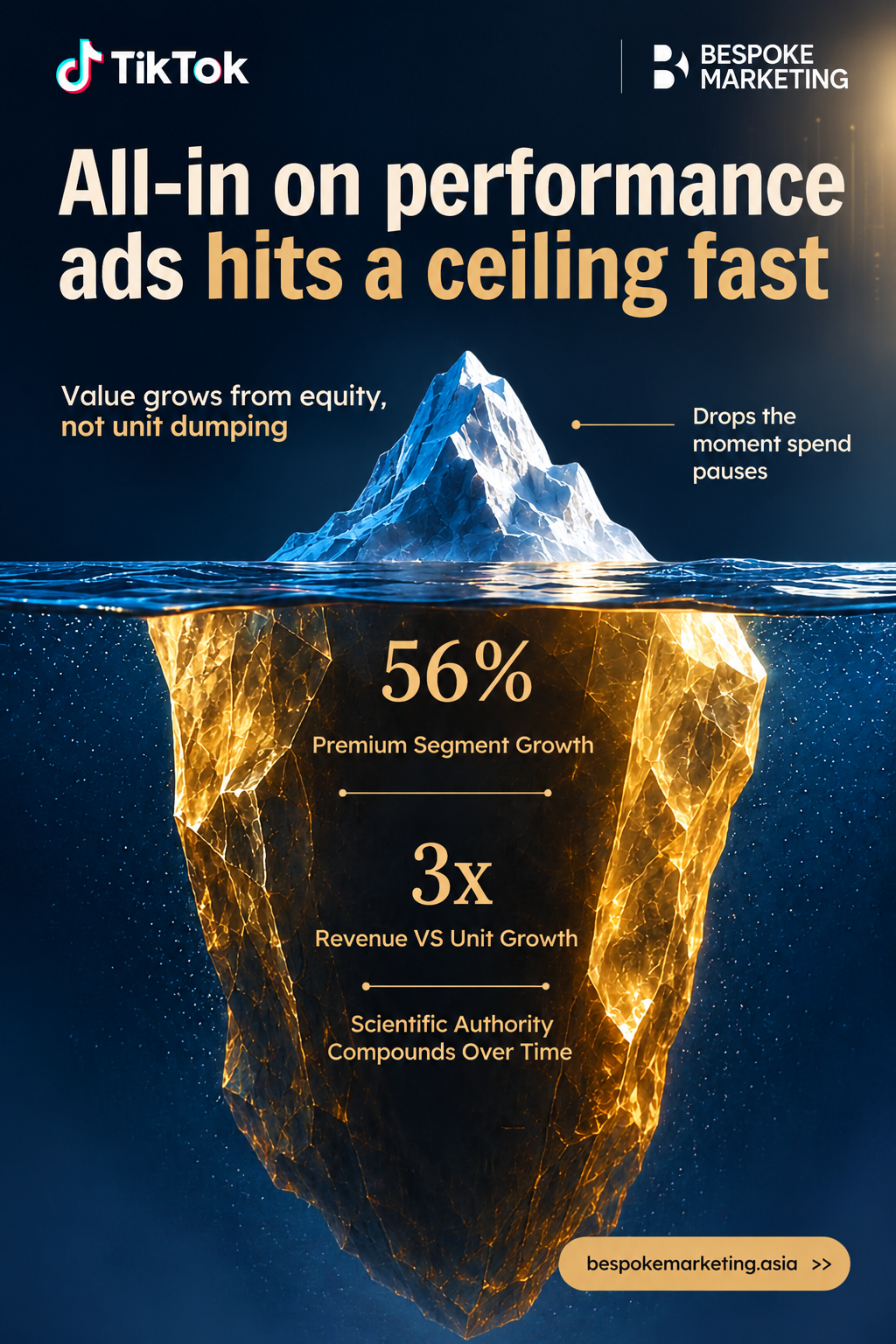
Deep marketplace discounting can destroy premium dermocosmetic positioning while putting pressure on gross margins.
For premium and efficacy-led skincare, price cannot be the only reason a consumer chooses one product over another.
Efficacy-backed skincare products can command stronger pricing resilience when supported by proven claims. Market data from TikTok Shop also points toward a shift in consumer value perception: the entry-level tier under VND 100,000 dropped to 13.3%, while the VND 200,000–500,000 band became the primary revenue driver at 37.7% of the total beauty category.
This suggests that consumers are not simply looking for the lowest possible price. They are increasingly willing to pay when they understand and trust the value behind the product.
That creates a problem for brands that rely heavily on marketplace discounting.
Aggressive price cuts may generate short-term transaction volume, but they can also attract one-off deal seekers, train consumers to wait for promotions, and gradually weaken the price-value perception of a premium brand.
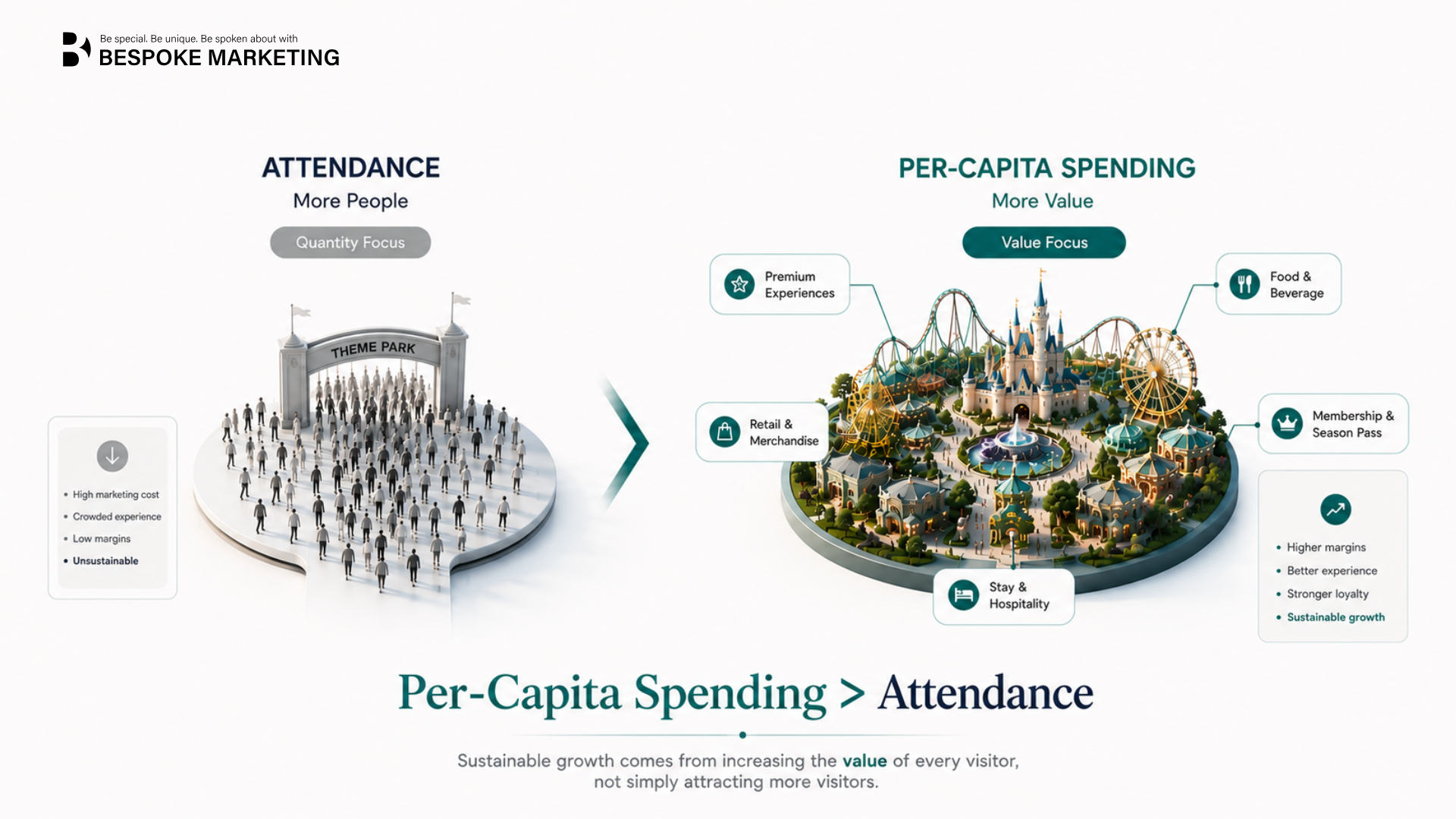
For dermocosmetics brands, the challenge is therefore not simply to sell more at a lower price. It is to make the value of the product more tangible.
That can mean shifting from discount-heavy promotions toward high-value sampling, targeted diagnostic bundling, regimen education, and other mechanisms that help consumers understand why a product is worth paying for.
The Consumer Shift Is Changing the Rules of Growth
These three challenges represent different stages of the same consumer journey.
Consumers discover through specific needs and ingredients then evaluate through credibility and proof and finally convert when the perceived value justifies the price.
This means that a dermocosmetics brand can no longer rely on a single lever to drive sustainable growth. The brands that win will be those that build a connected journey:
Be discoverable when consumers search for the solution.
Be credible when they evaluate the product.
And make the value clear enough that price becomes part of the consideration, rather than the barrier.
For dermocosmetics, the opportunity is to be found, believed, and valued. Let BSM help you turn consumer behavior into a smarter brand and growth strategy.