EXECUTIVE SUMMARYVietnam has emerged as one of the most structurally compelling markets in Southeast Asia for Japanese corporations. This is not a narrative driven by optimism. It is driven by four converging structural conditions: macroeconomic momentum, bilateral trade architecture, consumer market formation, and a regulatory environment increasingly oriented toward foreign participation. This article examines the evidence behind that thesis, identifies the conditions under which market entry succeeds, and offers a framework for executive decision-making. |
1. The Macroeconomic Foundation
Vietnam’s GDP expanded at 8.02% in 2024, according to the General Statistics Office of Vietnam, making it one of the fastest-growing economies in the Asia-Pacific region. This figure is not an outlier. It reflects a sustained trajectory of productivity-led growth that has compounded over the past decade, driven by manufacturing integration into global supply chains, rising domestic consumption, and an increasingly skilled workforce.
Three structural indicators are worth isolating for executive audiences:
| Indicator | Vietnam (2024/2025) | Regional Benchmark |
|---|---|---|
| GDP Growth Rate | 8.02% (GSO, 2024) | SEA average: ~4.2% |
| FDI Registered Capital | USD 38.23B (2024) | Record high since 1988 |
| Middle-Income Households | ~26M (est. 2025) | Projected 33M by 2030 |
| Internet Penetration | 79.1% (DataReportal 2026) | Above regional median |
| Median Age | 31.9 years | Demographically young |
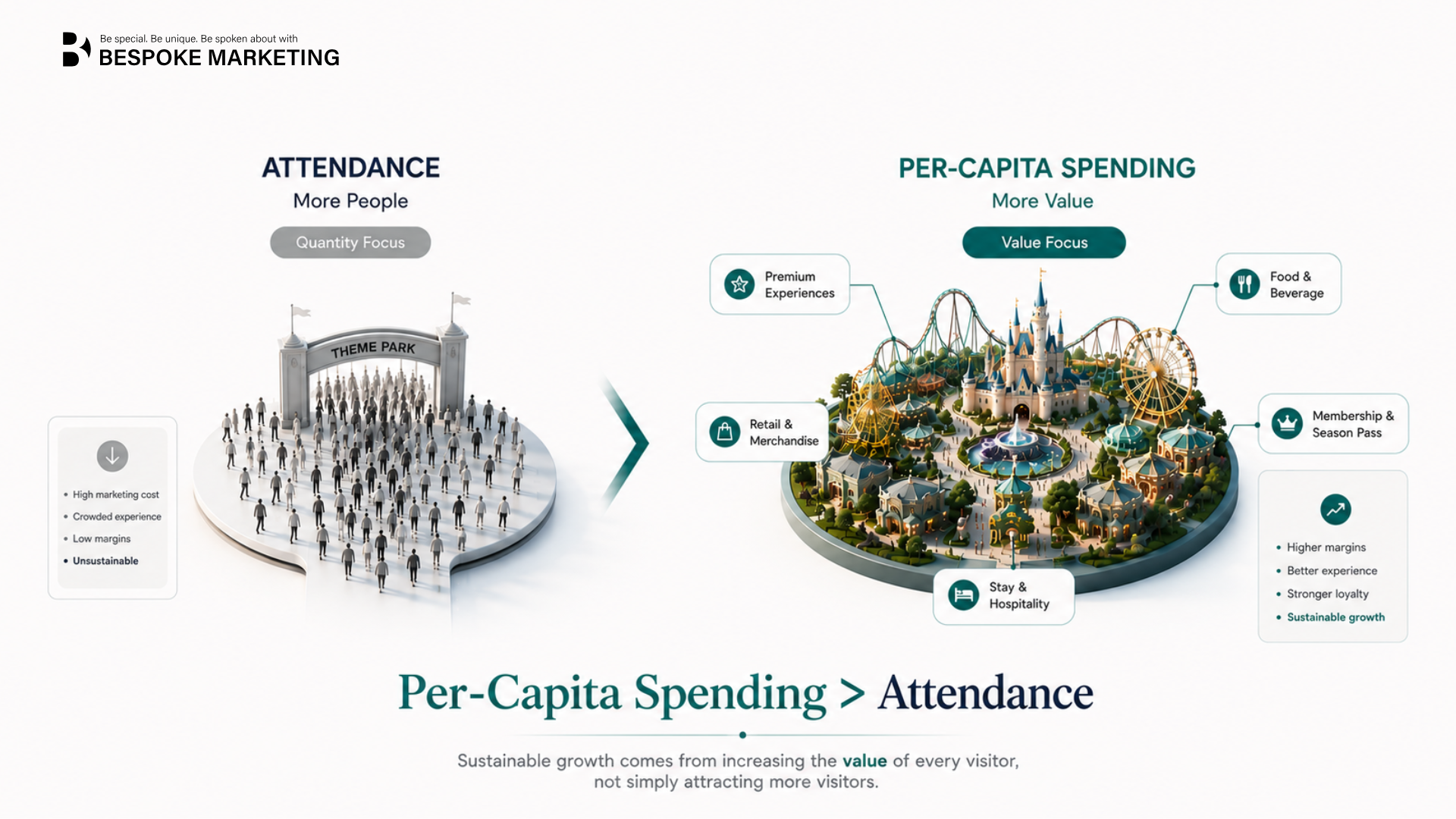
The combination of young demographics, rising disposable income, and deepening digital infrastructure creates a market that is not merely large, but structurally receptive to premium brand positioning. This is the environment Japanese corporations are increasingly recognizing.
2. The Japan-Vietnam Bilateral Architecture
The institutional framework between Japan and Vietnam is one of the most developed bilateral structures in the region. The Japan-Vietnam Economic Partnership Agreement (JVEPA), in force since 2009, has progressively reduced tariff barriers across key export categories. More recently, both countries participate in CPTPP and RCEP, creating layered preferential access structures that materially improve the economics of market entry for Japanese businesses.
According to JETRO’s annual survey of Japanese enterprises operating in Asia and Oceania (FY2025), Vietnam consistently ranks among the top two preferred locations for Japanese manufacturing expansion in Southeast Asia. Key findings from the JETRO FY2025 survey include:
JETRO FY2025 SURVEY: KEY FINDINGS
|
This last point is significant. The historical rationale for Japanese investment in Vietnam was primarily supply chain optimization. The emerging rationale is consumer market capture. These are fundamentally different strategic postures, and they require fundamentally different entry models.
3. The Consumer Market Formation Thesis
Vietnam’s consumer market is undergoing a structural transition that creates an unusually narrow entry window. The shift from a cost-led economy to a consumption-led economy is being driven by three concurrent forces:
| Force | Current Condition | Strategic Implication |
|---|---|---|
| Income Growth | Real wages rising ~8-10% annually in urban centers | Premium category receptivity increasing |
| Digital Commerce | E-commerce penetration at ~16.4% of retail (2025 est.) | Brand-building and conversion increasingly channel-integrated |
| Urbanization | ~38% urban (2024); rising to est. ~45% by 2030 | Urban consumer concentration expanding geographically |
| Brand Sophistication | Growing preference for international and heritage brands | Category leadership windows compressing |
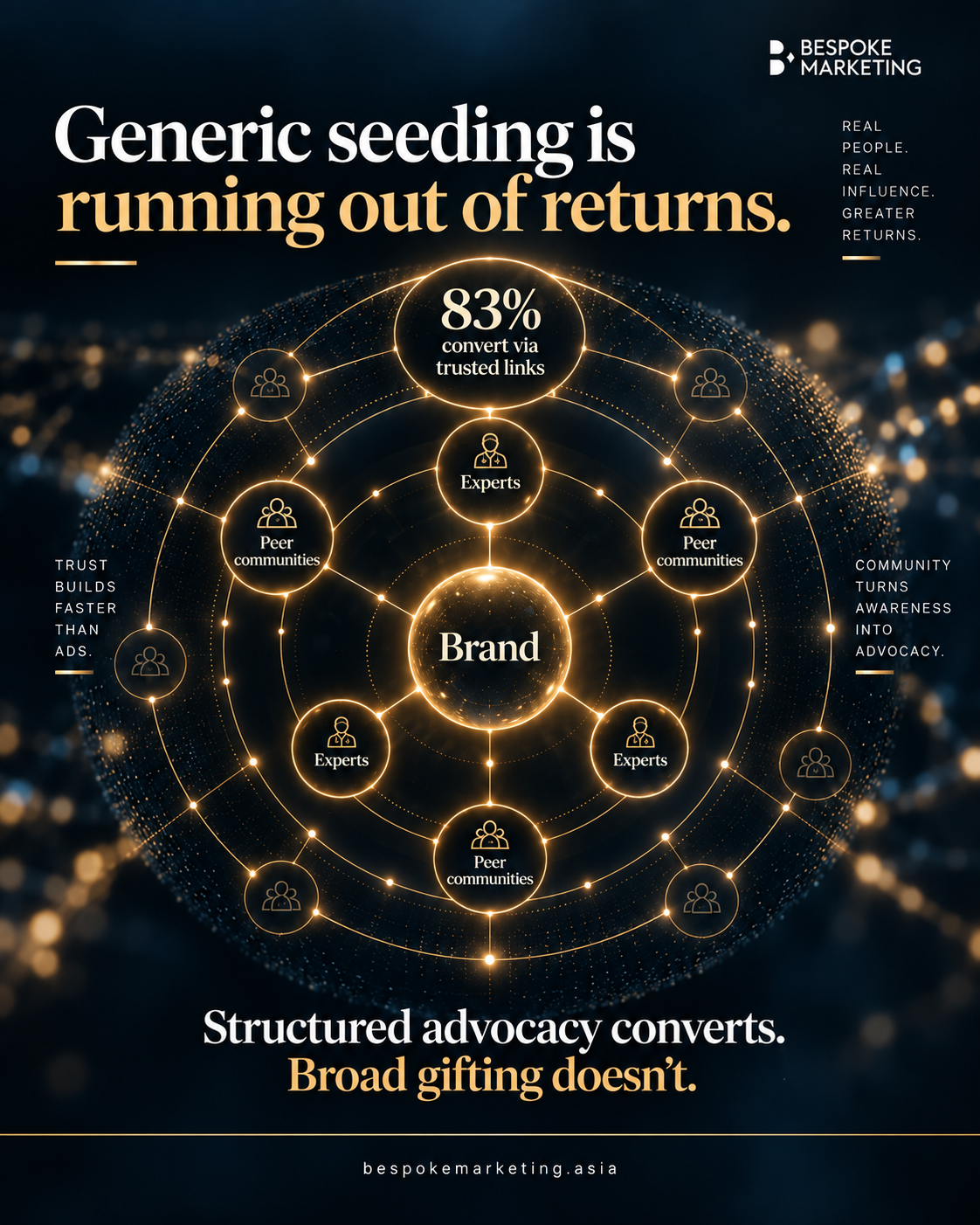
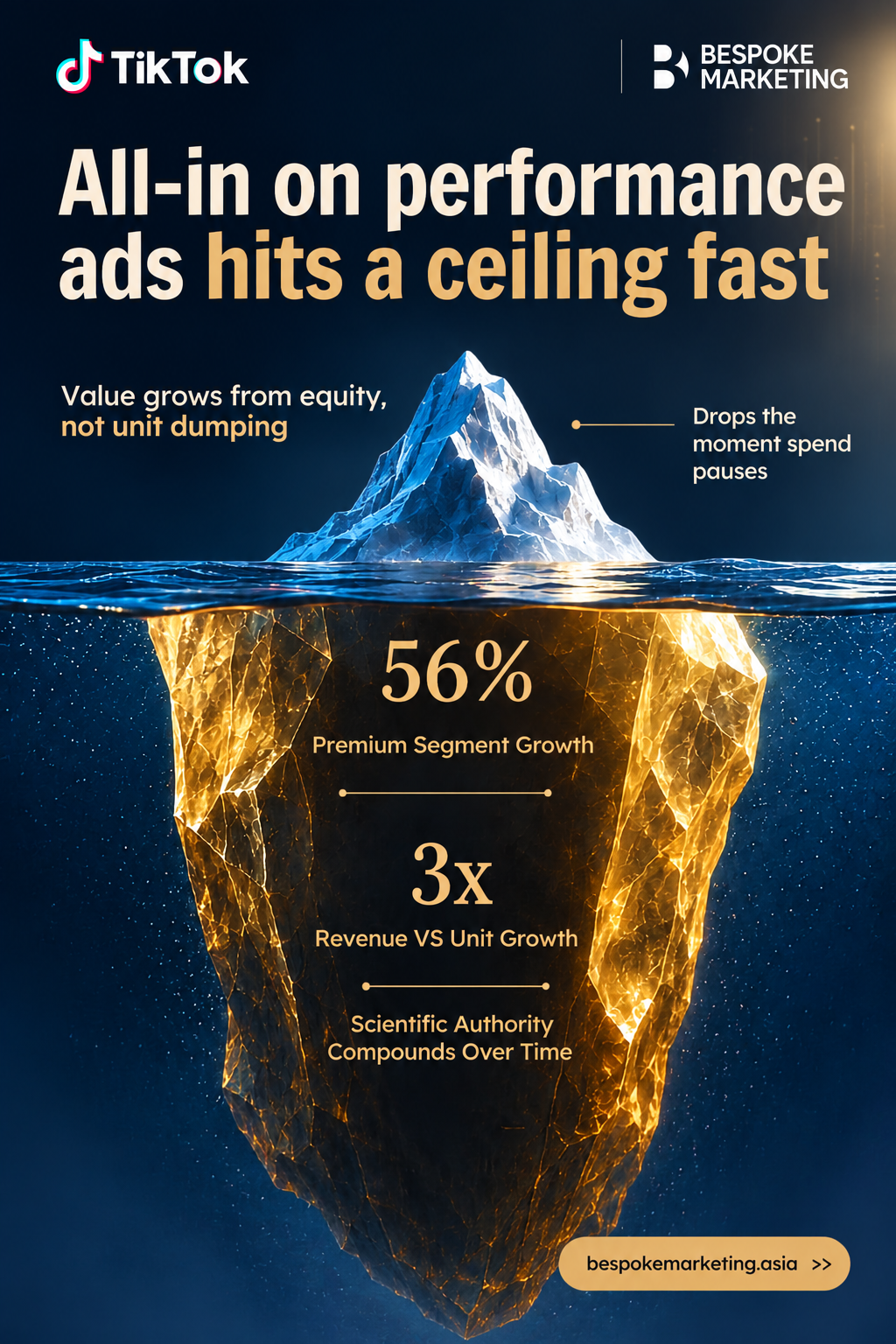
The category leadership window is the variable that deserves the most executive attention. In rapidly developing consumer markets, the brands that establish credibility early tend to hold structural advantages that are difficult to dislodge. This pattern has played out consistently across analogous markets in the region.
Vietnamese consumers in the 25-40 age cohort, who represent both the highest current purchasing power and the highest lifetime value potential, are currently forming brand loyalties in premium categories including personal goods, lifestyle, wellness, financial services, and experiential consumption. Japanese brands with relevant positioning in these categories have an opportunity that is measurable in years, not decades.
4. Where Market Entry Fails: A Pattern Analysis
The available evidence on Japanese corporate market entry into Vietnam points to a consistent set of failure patterns. These are not isolated incidents. They are structural failure modes that recur across sectors and company types, and they are addressable through disciplined pre-entry planning.
| FAILURE PATTERN ANALYSIS
Pattern 1: Positioning Misalignment Brands enter Vietnam with positioning calibrated for the Japanese domestic market. Vietnamese consumers, particularly in the premium segment, respond to quality signals and heritage narratives but are largely unmoved by category conventions that carry weight in Japan. The result is a brand that is technically present but functionally invisible. Pattern 2: Channel Architecture Error Vietnam’s channel landscape is genuinely non-analogous to Japan. The relative weight of social commerce, the role of key opinion leaders versus traditional advertising, and the relationship between online and offline touchpoints require a purpose-built channel architecture. Brands that replicate their home-market media mix typically underperform on both awareness and conversion metrics. Pattern 3: Premature Scaling Organizations that move directly from entry to scale, without a structured market learning phase, consistently overspend on distribution and underinvest in brand foundations. The cost of rebuilding brand equity after a poorly executed launch is substantially higher than the cost of a disciplined entry process. |
5. A Framework for Executive Decision-Making
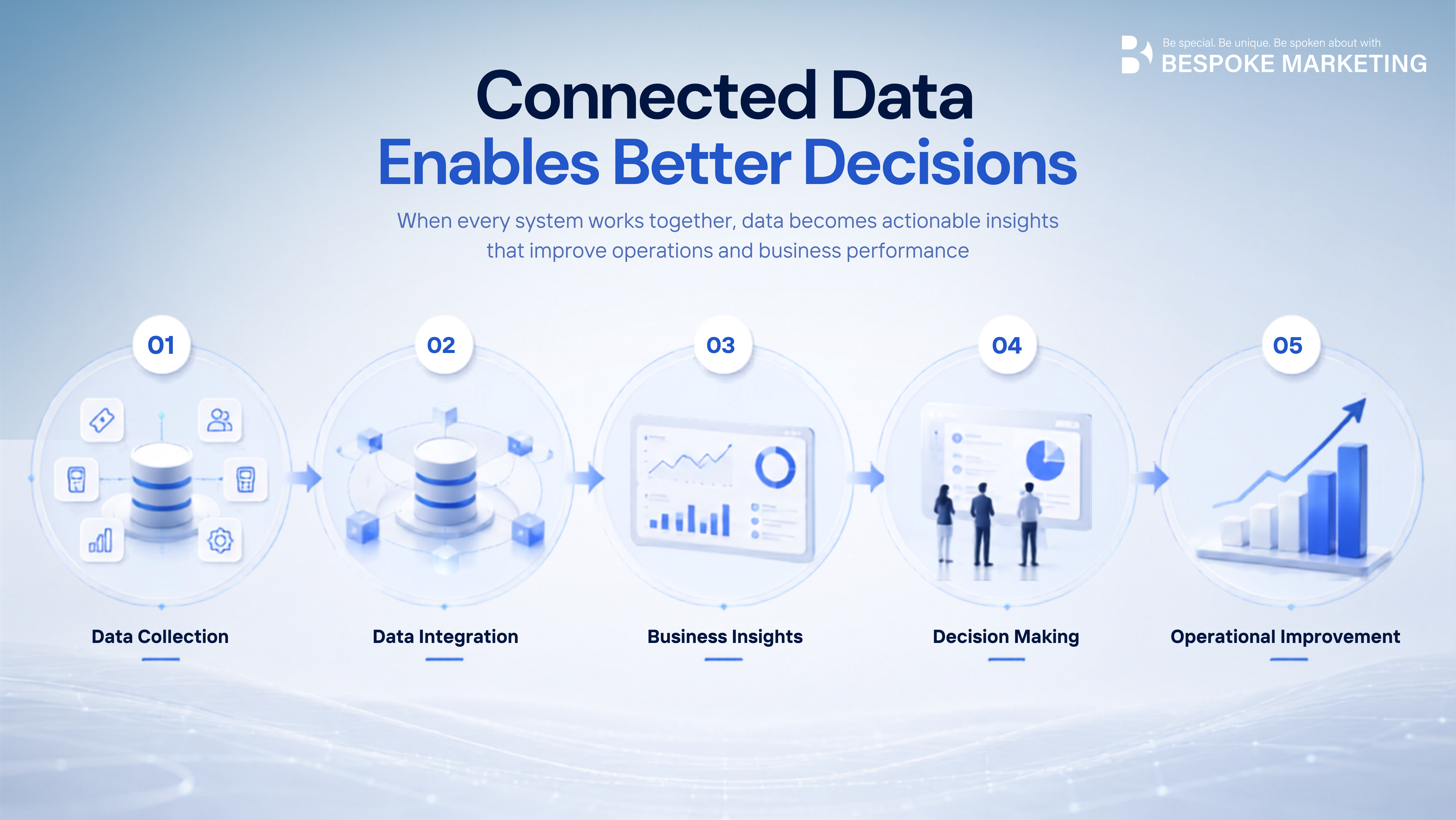
For senior executives evaluating Vietnam market entry, the decision framework should be structured around four sequential questions:
| Phase | Core Question | Key Diagnostic |
|---|---|---|
| Market Intelligence | What is the actual opportunity in our category? | Addressable market size, competitive structure, consumer readiness |
| Go-to-Market Design | What entry model fits our strategic intent? | Channel architecture, positioning hypothesis, launch sequencing |
| Activation | How do we build presence without overspending? | Pilot market selection, brand testing, performance baseline |
| Performance Partnership | How do we scale what is working? | Attribution clarity, optimization cadence, expansion criteria |
Each phase has a distinct evidence requirement and a distinct risk profile. Organizations that compress this sequence, or skip phases in the interest of speed, consistently encounter the failure patterns described in Section IV.
The market will reward patience applied strategically. It will penalize urgency applied indiscriminately.
6. Conclusion
Vietnam’s structural case is not speculative. It is supported by macroeconomic data, bilateral trade architecture, consumer market formation trends, and a regulatory environment that has progressively improved the conditions for foreign participation.
The question for Japanese corporate leadership is not whether Vietnam is a viable market. That question has been answered. The question is whether your organization’s entry model is calibrated to compete effectively in a market that is simultaneously opportunity-rich and operationally demanding.
| The organizations that will succeed are those that treat Vietnam not as a line item in a regional expansion plan, but as a strategic priority deserving of dedicated intelligence, dedicated planning, and a dedicated execution partner.
That is precisely the work we do. |
ABOUT THE AUTHOR
The author is a senior strategy practitioner with over a decade of experience advising global brands on Vietnam and Southeast Asia market entry. This article represents an independent analysis. Client identities and engagement-specific data are not disclosed.
SOURCES
General Statistics Office of Vietnam (GSO), GDP Growth Report Q4 2024 | JETRO Survey on Japanese-Affiliated Firms in Asia and Oceania, FY2025 | DataReportal, Digital 2026 Vietnam (January 2026) | Ministry of Planning and Investment of Vietnam, FDI Statistics 2024 | CPTPP Secretariat, Trade in Goods Report 2024