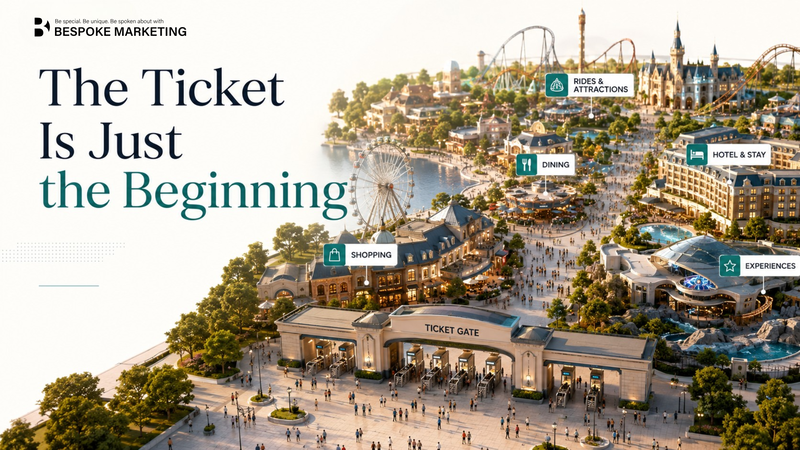
In the theme park industry, investment decisions are often associated with large-scale infrastructure, new attractions, and continuous capital expenditure. While these elements remain essential to business growth, they are no longer the only factors influencing long-term enterprise value.
As competition intensifies and customer expectations continue to evolve, investors are paying closer attention to another asset-brand equity.
A strong brand does more than attract visitors. It builds credibility, strengthens customer loyalty, creates strategic partnerships, and enhances investor confidence. Increasingly, brand equity has become a critical component of sustainable business growth within the entertainment industry.
Brand Is More Than Marketing
Brand building is often viewed as a marketing function focused on communication, advertising, and visual identity.
However, for modern theme park operators, a brand represents far more than promotional campaigns. It reflects the complete perception that customers, partners, and investors have of the business.
Every visitor experience, service interaction, digital touchpoint, public event, and media appearance contributes to shaping that perception. Over time, these consistent experiences establish trust, reinforce reputation, and differentiate one destination from another.
A well-positioned brand enables a theme park to compete on more than attractions alone. It creates emotional value that encourages repeat visits and strengthens long-term customer relationships.
Strong Brands Create Long-Term Business Value
The world’s leading entertainment companies have demonstrated that brand strength directly supports business performance.
A trusted brand encourages customer loyalty, supports premium pricing strategies, attracts commercial partnerships, and provides greater resilience during periods of market uncertainty.
Beyond consumer behaviour, brand equity also influences business relationships. Investors and strategic partners are more likely to engage with organisations that demonstrate a clear market position, consistent communication, and long-term strategic direction.
In this context, branding should not be viewed as a short-term marketing expense. It is a long-term business investment that contributes to enterprise value and sustainable growth.
Building Brand Equity Through Consistent Experiences
Brand equity cannot be created through a single campaign.
It is built through consistent delivery across every customer touchpoint.
Visitor experiences inside the park, digital platforms, customer service, seasonal events, media coverage, strategic partnerships, and community engagement all contribute to strengthening the brand over time.
When these experiences align with a clear brand promise, they create stronger emotional connections with customers while reinforcing credibility among investors and business partners.
Consistency is therefore one of the most valuable drivers of long-term brand development.
Why Brand Strategy Matters for Future Investment
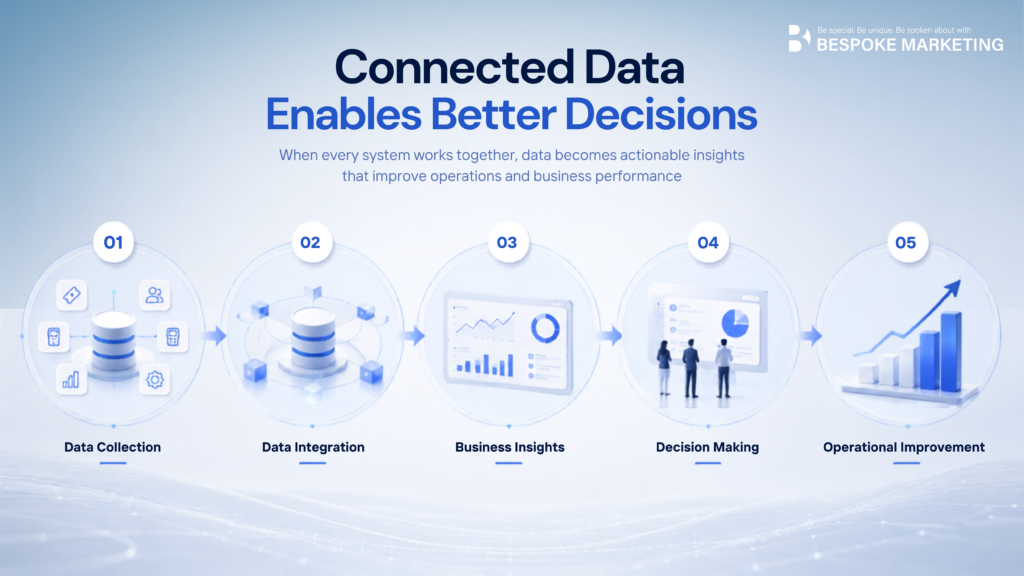
As the entertainment industry becomes increasingly competitive, investment decisions are no longer based solely on physical assets or visitor numbers.
Investors are evaluating businesses through a broader lens that includes growth potential, customer loyalty, digital capabilities, operational maturity, and brand strength.
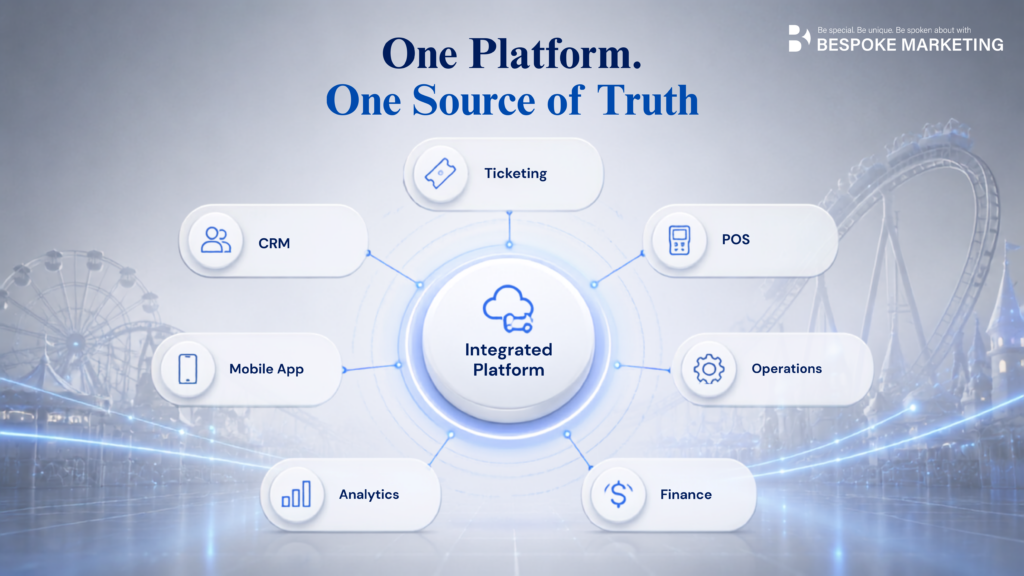
For theme park operators, this means that brand strategy should be considered alongside infrastructure development and digital transformation-not as a separate marketing initiative, but as a core element of business strategy.
A strong brand helps organisations attract customers, retain loyal audiences, establish strategic partnerships, and build confidence among investors. These advantages create lasting business value that extends far beyond short-term marketing performance.
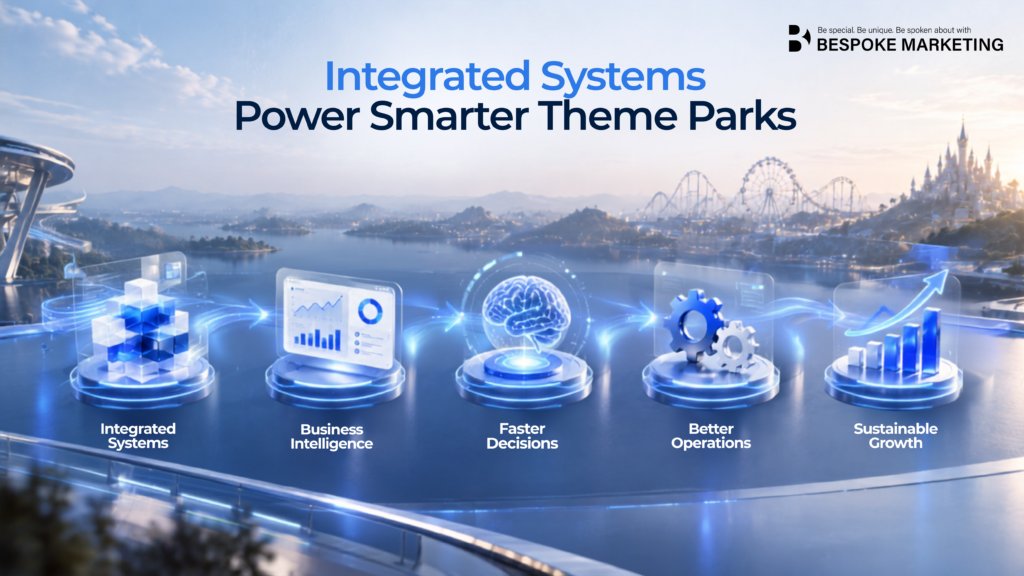
Ultimately, the future competitiveness of a theme park will not depend solely on the attractions it builds, but also on the reputation it earns, the trust it establishes, and the brand equity it continues to strengthen over time.
In today’s entertainment industry, infrastructure creates destinations, digital transformation enables operations, and brand strategy builds long-term enterprise value. Together, these three elements form the foundation of sustainable growth and future investment.